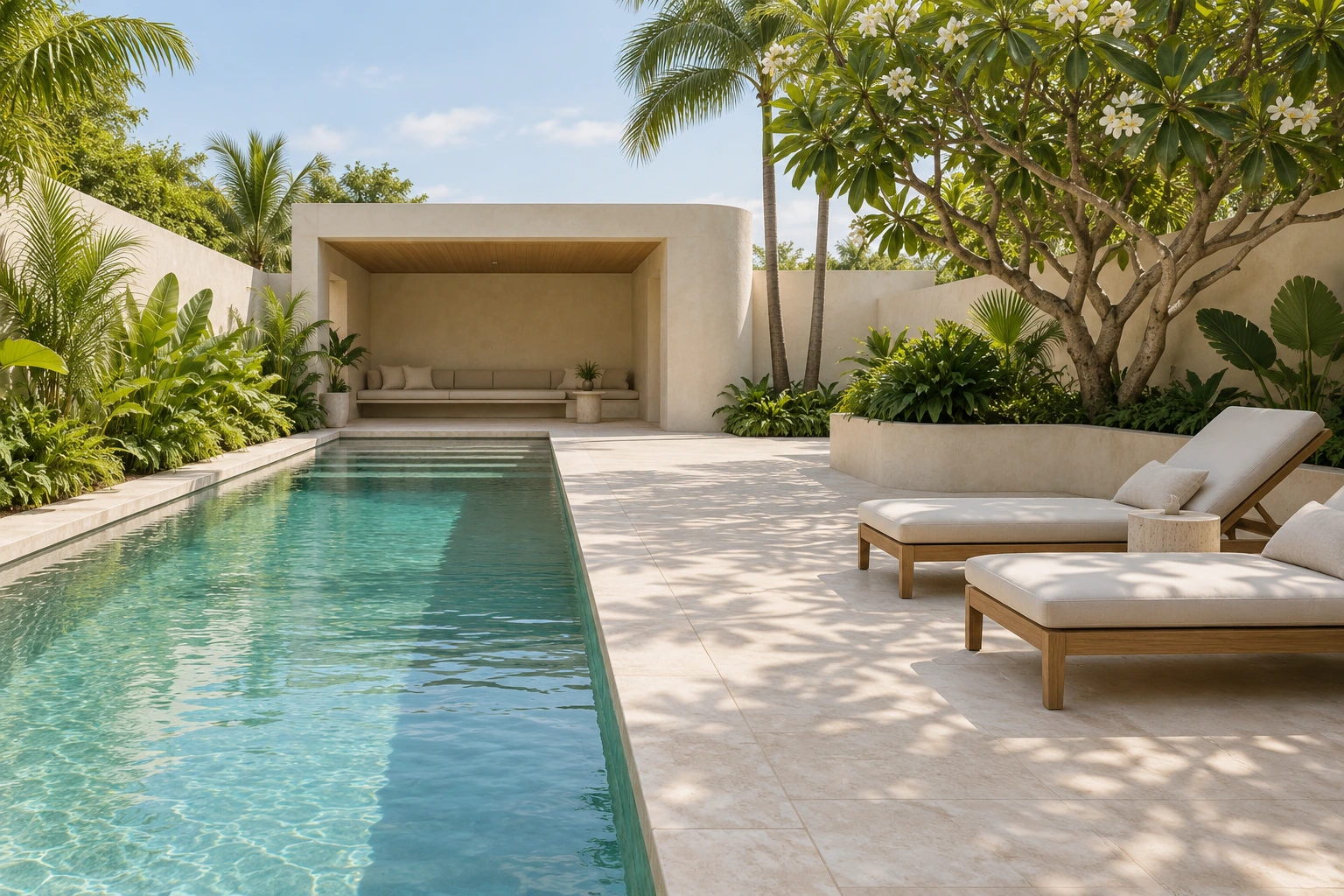
Hand-drawn Color Sketch
View full prompt & copyUse the uploaded photograph or render as the reference for a loose hand-drawn architectural color sketch on textured watercolor paper. Keep the same viewpoint, perspective, spatial layout, major architectural edges and recognizable furniture or landscape elements. Make a single drawing of the same scene, not a split photo-and-sketch board. Fit the composition naturally within a portrait 3:4 sheet without stretching the architecture or cropping important objects. Make the linework feel like a designer's quick tablet sketch. Use irregular hand pressure, lively thin ink or pencil lines, occasional doubled contours, unfinished corners and small gaps. Suggest walls, ceilings, doors, windows and cabinetry with a few essential edges. Summarize plants, books and small objects instead of tracing every detail. Keep the drawing relaxed and readable; avoid ruler-straight CAD outlines, mechanically perfect perspective and dense crosshatching. Apply color selectively to the most expressive existing surfaces and objects: a floor area, one piece of furniture, glazing, planting or a distinctive feature. Take the palette from the source and keep it muted. Use translucent marker, wax-pencil or dry watercolor marks with visible paper grain, uneven coverage, a little overlap beyond the line and tiny unpainted flecks. Leave many surfaces as bare paper. Do not fill every enclosed shape with flat digital color. Use warm off-white, ivory or pale gray paper chosen to complement the scene. Leave generous blank margins, especially near the outer edges where lines and color can fade out. The result should feel like a page from a working designer's sketchbook, not a polished rendering or a vector illustration. Add a small handwritten English title, "SPACE STUDY". Include no more than two short handwritten observations about clearly visible features or materials, using fine curved leader lines only where helpful. Choose descriptive wording such as "glazed opening" or "timber seating" rather than invented brands, designer names or dates. If a material or product cannot be identified, omit the claim. All added text must be legible English with correct spelling. Do not introduce new furniture, openings, plants, people or pets. Do not invent product cutouts or a furniture brand showcase. Preserve recognizable source signage where possible without fabricating new wording. No dimensions, technical specifications, signatures, watermarks, logos, interface elements or photorealistic effects. Return only the finished sketch sheet.